247 MISSION: RIVINGTON VOL.1
23/07/2025
247 athlete and running polymath, Alfie Manthorpe, has the expert intel on the primary component of the 247 Mission Rivington endurance race, any ultra marathon or trail running event. Put your best feet forward.
RUNNING & PACING STRATEGY FOR 247 MISSION: RIVINGTON
Having a laser-fast 10k and being able to run consistently for 12 hours are not one and the same. The 247 Rivington Race has teams of five take on a 5.1km trail running loop at the top of the hour, every hour, from 7am until 7pm. When a minimum of two team members return, the entire team can work on a Ski-Erg machine until the klaxon for the next hour sounds. You accrue points for the runs and extra points for the ski. The team with the highest total at the end of the event wins.
It is a fitness race like no other. But with 5.1km of hilly, all-weather terrain every hour for half a day, Mission Rivington is an ultra-running event at its core.
Alfie Manthorpe has been running his entire life. The new 247 athlete started young, aged just six. Almost two decades later, he has competed for GB in cross country, on the road and on track. In his own training and racing, he has taken part in everything from half marathons, to fell racing and all the way up to mountain races. He’s lived through almost every experience that running can offer.
HOW TO PREPARE FOR 247 MISSION RIVINGTON
“Having that history of different disciplines teaches you a lot. You learn to prepare better. There is always a chance that it’s going to be soaking wet and cold, so it’s always a good idea to pack a spare set of clothes.
“This kind of event is always going to be a bit of a shock to the system. Know that going in, and you can identify what to work on for the next lap.”
PHYSICALLY AND MENTALLY MANAGING THE TERRAIN
“It’s a challenging route and hillier than most are used to. It’s a trail run with mixed terrain but there are no sheer drops.
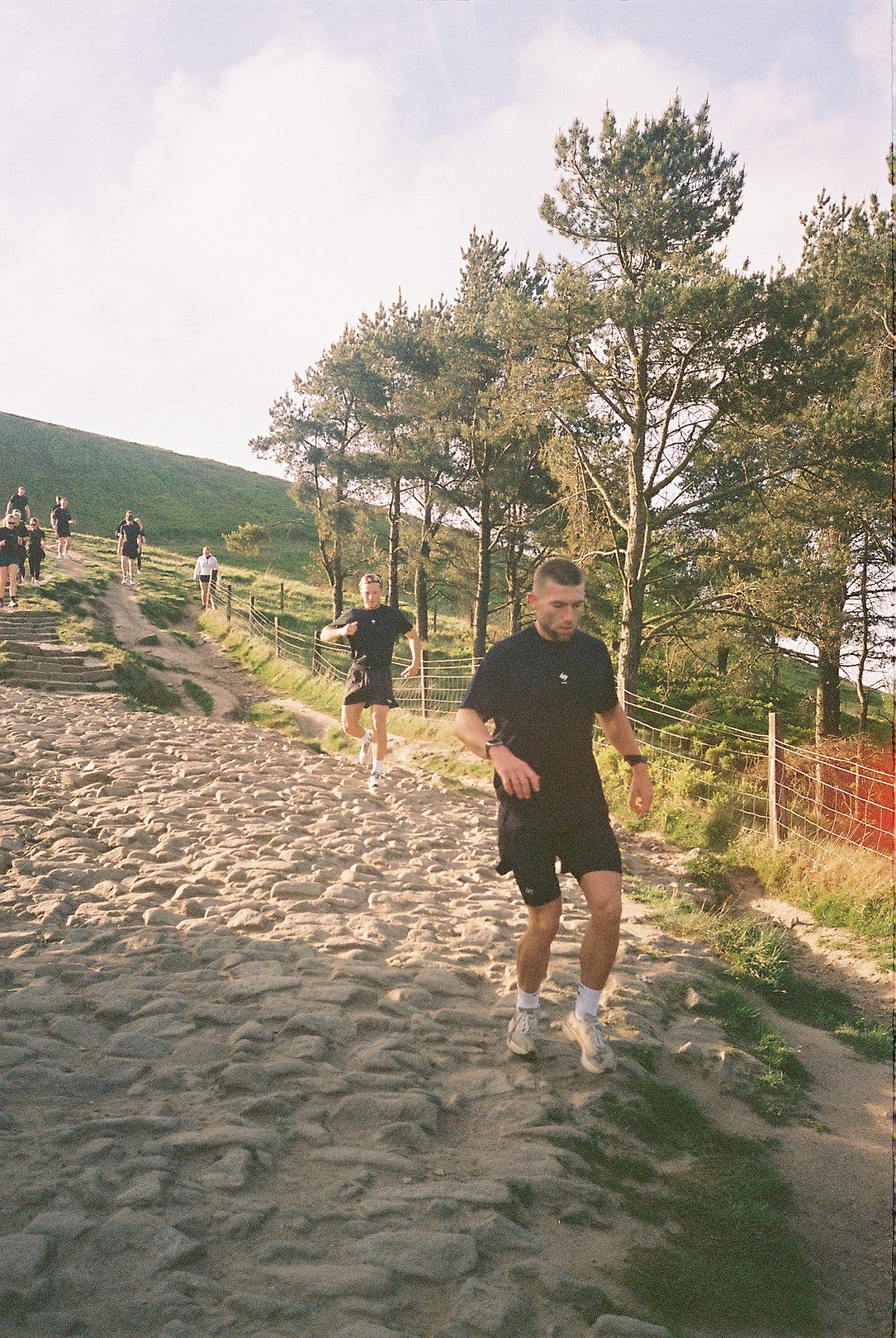
“The biggest difference going up the hills is going to be overall leg fatigue. But it’s the leg damage going down you should be really aware of. As the hours rack up you’ve got to accept that you're going to be feeling a lot of aches and pains in areas that you don’t have normally.”
HOW TO PACE FOR A CONSISTENT RACE
“I would be as conservative as possible in the early stages. You can make up a lot of time after six hours compared to teams who were going too hard from the start. Most people will slow on their own as they get tired later on in the event. Stay conservative and you’ll maintain your pace throughout.
“Stay on top of your fuel and hydration in the early stages, too. Even if you feel you don’t need it. That’s the best way to get to the latter stages feeling much better than the teams around you.”
CAN I WALK DURING ULTRA EVENTS?
“Anywhere you feel like walking will help. If you can get the run done within the time, then set places that you will walk every lap. I’d advise walking up the steeper hills, especially if you're trying to mitigate fatigue."
"Walking is a convenient time to get fuel in. Focus on fuelling before you feel under-fuelled. If you feel as if you’re even getting close to feeling like you need to get something in, stop and take it at any point, whether you're going uphill or on the flat. Always prioritise the fuel over running a bit quicker on a loop.”
THE IDEAL HEART RATE ZONE FOR ULTRA ENDURANCE
“Look for an average of less than 150 bpm. It’s going to spike on the hills but aim for under 150 in the early stages. That’s going to be a mid-high Zone Two for most people.
“Once we go over that, lactic acid starts to accumulate, and you’ll fatigue. Once those lactic builds, you get more muscle damage and the effort changes quite drastically from there on.”
HOW TO RECOVER DURING 247 MISSION RIVINGTON
“Between efforts, you need to balance being off your feet but staying gently moving around, so the blood doesn’t pool in your legs. It’s different for everyone but maybe sit down for five minutes then have a walk around for a minute or two.
“If you’re back from a run, it might be better to do some gentle reps on the ski, just to keep the blood flow going a bit. Change into some fresh 247 kit or take your shoes off and let your feet breath in the ARC 3 Recovery Slide. Ultimately, you need to do absolutely anything you need to feel as good as possible.”
SHOULD I CHANGE MY SHOES DURING AN ULTRA?
“You should always have the option. Obviously, it can start bouncing down with rain randomly and you might need to change shoes because they get wet.
“But it will help anyway. Shoes start to rub in certain areas, so a change will immediately sort any hot spots on your feet. Most of all, the foams in running shoes now compress a lot as you run and, over time, it becomes nowhere near as good as the shoe you started with. You can always change back when the foam has had a break.”
WHAT TO FOCUS ON WHEN IT GETS TOUGH
“I would focus on the fact that you've signed up for it. You’ve chosen it and it’s a privilege to be able to do something like this. It's going to hard, but that's the point. You knew that coming in and you wanted it. So just tell your legs to shut up and get this done.”